
Textile Industry in 2026: Trends, Opportunities, Challenges, and the Future of Fabric Manufacturing
Explore textile industry trends in 2026—sustainable textiles, traceability, technical textiles, exports, challenges, and future growth opportunities.
mohit churiwal
2/11/20263 min read
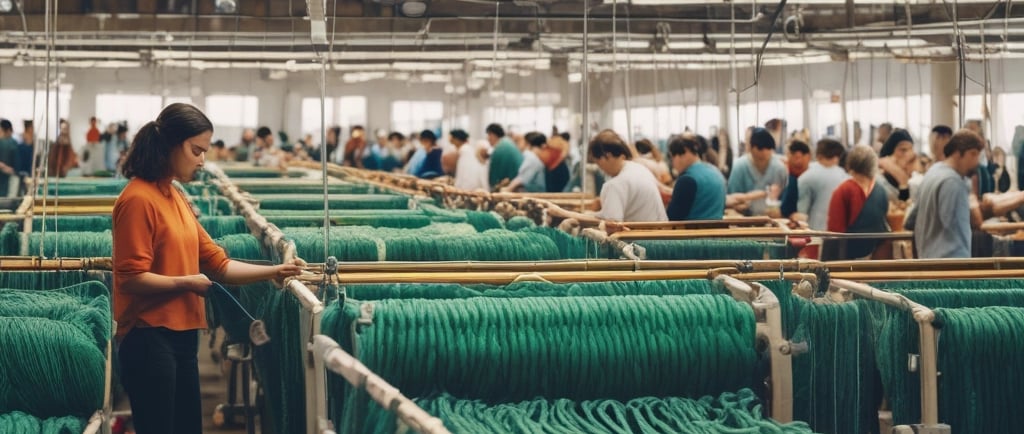
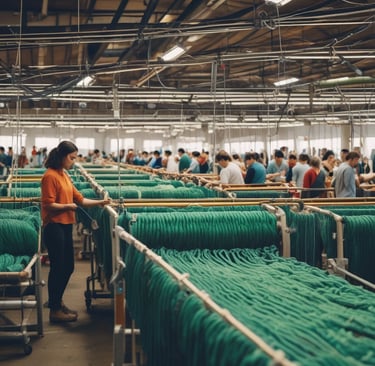
The textile industry is one of the world’s most connected supply chains—linking farms and fiber producers to spinning, weaving/knitting, processing, garment manufacturing, logistics, retail, and recycling. It is also a major employer and export driver in key manufacturing economies, while facing fast-changing customer expectations around sustainability, quality, traceability, and speed-to-market.
This guide explains how the textile industry works, what is changing in 2026, and where the biggest growth opportunities are—written in an SEO-friendly structure you can use for a blog, service page, or industry report.
What is the textile industry?
The textile industry includes the full lifecycle of textile products such as yarns, fabrics, home textiles, technical textiles (industrial/medical), and apparel. It typically spans:
Fiber & raw material: cotton, wool, silk, man-made fibers (polyester, viscose), recycled fibers
Spinning: fiber → yarn
Fabric formation: weaving/knitting/nonwovens
Wet processing: dyeing, printing, finishing
Cut-make-trim (CMT): garment manufacturing
Distribution & retail: domestic + exports
End-of-life: repair, resale, reuse, recycling
Why the textile industry matters (jobs, GDP, and trade)
Global employment impact
Textiles, apparel, leather, and related products are major global employers. The ILO reports sector employment at roughly ~100 million people, with a large share of women workers.
India’s economic role
In India, government data highlights textiles and apparel as a cornerstone sector—contributing ~2.3% to GDP, ~13% to industrial production, and ~12% to exports, with 45+ million employed directly.
Key segments of the textile industry
1) Apparel and fashion textiles
Shirts, kurtas, denim, athleisure, lingerie, uniforms
Fast cycles driven by e-commerce, influencer culture, and micro-trends
2) Home textiles
Bedsheets, towels, curtains, upholstery
Driven by real estate, hospitality, and lifestyle upgrades
3) Technical textiles (high-growth)
Technical textiles are engineered for performance rather than aesthetics:
Medical: masks, gowns, wound dressings
Automotive: seat fabrics, airbags, insulation
Construction: geotextiles, membranes
Industrial PPE: flame-resistant, chemical-resistant fabrics
Biggest textile industry trends in 2026
1) Sustainability and circular textiles are becoming “default”
Brands and buyers increasingly demand:
Lower-impact fibers (recycled, responsibly sourced)
Reduced water/chemical intensity in processing
Proof of compliance and measurable footprints
In the EU, the long-term policy direction is clear: textile products placed on the EU market are expected to move toward being more durable, repairable, and recyclable under the EU’s textiles strategy/vision.
2) Traceability is moving from “nice to have” to “required”
A major shift is the push toward Digital Product Passports (DPPs)—digital records that can store product composition, supply-chain info, and sustainability data, especially relevant for textiles and fashion selling into regulated markets.
What this means for manufacturers and exporters:
Better data collection (fiber origin, dyeing/finishing inputs, certifications)
Stronger ERP/PLM integration
Greater importance of batch-level documentation
3) Raw material volatility is a strategic risk
Cotton and other inputs are increasingly exposed to weather, geopolitics, and trade policy. For example, India saw unusually high cotton imports in 2024–25 and a temporary import-duty waiver period (later reintroduced), reflecting how quickly sourcing economics can change.
4) “Speed + quality” is beating “only low cost”
Buyers want:
Shorter lead times
Smaller MOQs
Faster sampling
Consistent shade matching and shrinkage control
This is pushing more investment into automation, quality systems, and digital workflows.
Opportunities: where growth is coming from
Export + compliance-ready manufacturing
Export opportunities increase when factories can demonstrate:
Consistent quality and on-time delivery
Social compliance + safer working standards
Traceability and documentation readiness (especially for EU-linked requirements)
Value-added fabrics (higher margins)
Examples:
Easy-care finishes (wrinkle-resistant, anti-pilling)
Functional blends (cotton-modal, viscose-linen)
Performance textiles (moisture-wicking, antimicrobial where permitted)
Domestic branding + D2C
Even B2B manufacturers are launching:
In-house brands
Private label supply
B2B catalog + WhatsApp commerce
Marketplace-driven wholesale channels
Challenges the textile industry must solve
Environmental footprint: water, chemicals, energy in wet processing (requires investment + process control)
Compliance complexity: documentation, audits, and evolving regulations (especially for exports)
Labor and productivity: retaining skilled operators, training, wage pressures (seen across major garment-export economies)
Input price volatility: cotton, dyes, freight, currency fluctuations
Practical SEO section: keywords to target (textile niche)
Use these in headings, FAQs, and internal links:
textile industry trends 2026
textile manufacturing process
fabric manufacturing (weaving vs knitting)
sustainable textiles / circular textiles
textile supply chain
technical textiles market
textile exporter compliance / traceability / digital product passport
textile industry in India (if targeting India traffic)
FAQ
Which part of textile manufacturing creates the most value?
Value increases as you move from commodity yarn/fabric toward finished, compliance-ready fabrics, functional finishes, and ready-to-stitch/garments with consistent quality and documentation.
What are technical textiles?
Technical textiles are performance-driven textile products used in medical, industrial, automotive, construction, and protective applications—designed for function over fashion.
Why is traceability becoming important in textiles?
Because regulated markets (especially the EU) are pushing toward better product information, durability, recyclability, and digital records such as Digital Product Passports for textiles/fashion supply chains.
Shree Sethani Creation © 2025. All rights reserved.